

Described as “the event of the year” for anyone whose role involves procurement, compliance or corporate social responsibility, ethica26 featured keynote speeches and panel sessions with leading speakers and practitioners from the worlds of law, industry, academia and professional services.
Highlights from the event: WATCH VIDEO HIGHLIGHTS
Tim Nelson, CEO of Hope for Justice and Slave-Free Alliance, said: “We decided to organise ethica26 because we knew that gathering high‑profile, passionate leaders and businesses into the same room, people who are genuinely committed to driving human rights forward in global supply chains, would spark inspiring conversations and create its own momentum.”
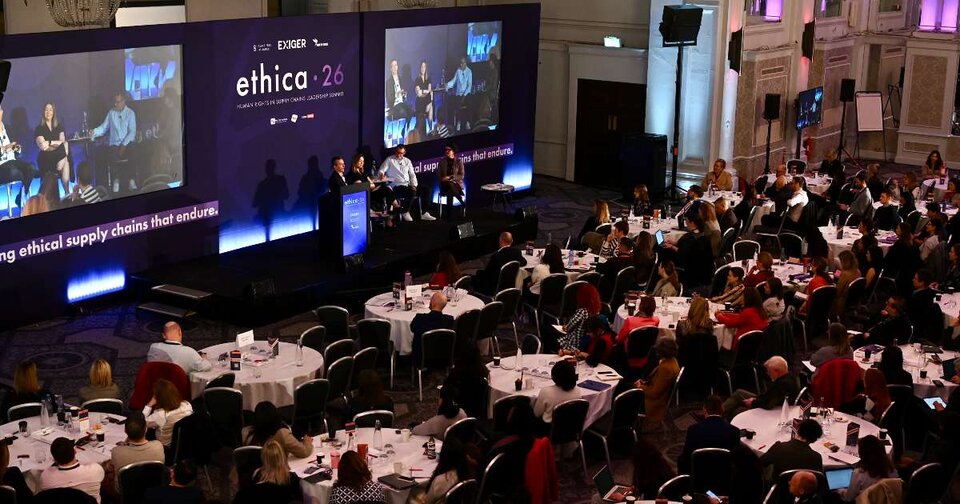
Tim Nelson continued: “The energy, openness and shared purpose throughout the day were remarkable, across sectors and industries. This conference showed us that when businesses, investors, innovators and advocates come together, real progress follows. I am so grateful to Marc Stanton, Rachel Hartley, Maria Villablanca and everyone else who helped organise the day and made the event such a major success, and to our lead sponsor, Exiger, for making it possible.”
Lauren Elliott, Global Head of Client Delivery at Exiger, delivered a keynote speech focused on how AI is transforming forced labour detection across the supply chain, and also contributed to a panel discussion looking forwards to what’s on the horizon for human rights in supply chains.
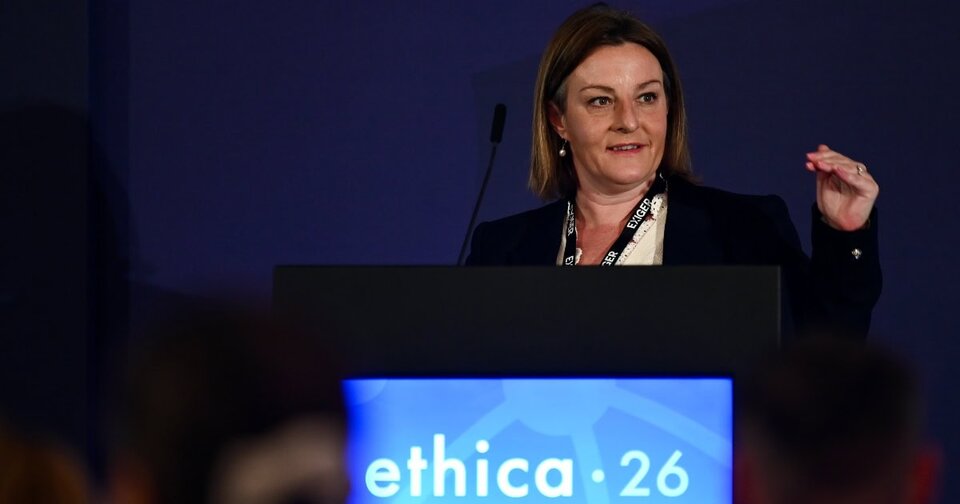
Above: Lauren Elliott, Global Head of Client Delivery at Exiger
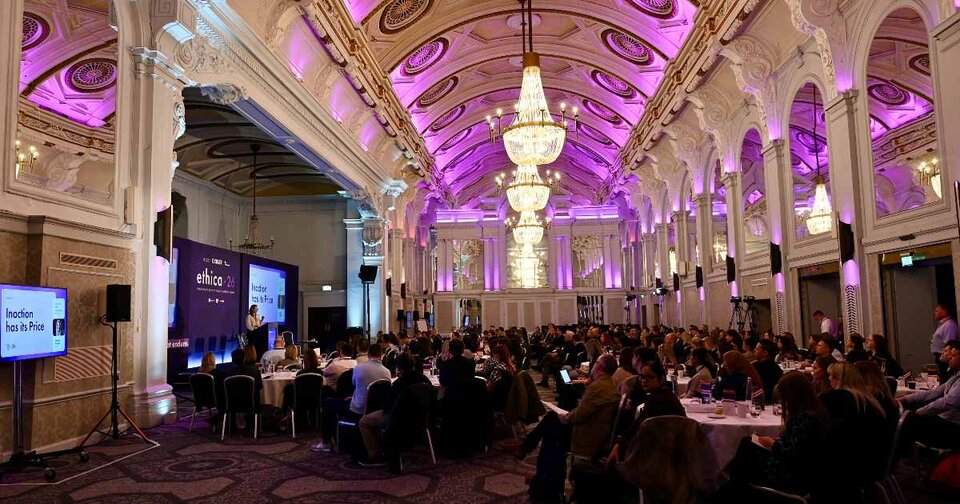
Some of the key messages from the day:
Businesses need not just a policy on remedy and response when things go wrong, but a tried-and-tested process that doesn’t collapse on first contact with messy reality.
Safeguarding human rights within supply chains depends on strong, well‑designed management systems. They can be challenging to establish, but they repay the effort invested. Businesses should be exploring the upcoming ISO 37200 standard and the existing BS 25700:2022.
Procurers need to be crystal clear about what they expect from suppliers, and where there are gaps, we should help build their capacity to meet them.
Workers who feel informed and empowered to speak out (anonymously where necessary) are an effective defence against exploitation.
Conducting human‑rights risk assessments helps ensure attention remains on the risks that cause the greatest harm to people, not just those that present the biggest risks to the business.
ethica26 attendees also heard that “inaction has its price”. Caroline Haughey OBE KC is one of the leading legal minds on the issue of modern slavery in supply chains, and successfully prosecuted the gang in the Operation Fort case (responsible for trafficking an estimated 400 victims). She praised the role of Hope for Justice and Slave-Free Alliance in making that prosecution possible and caring for the survivors.
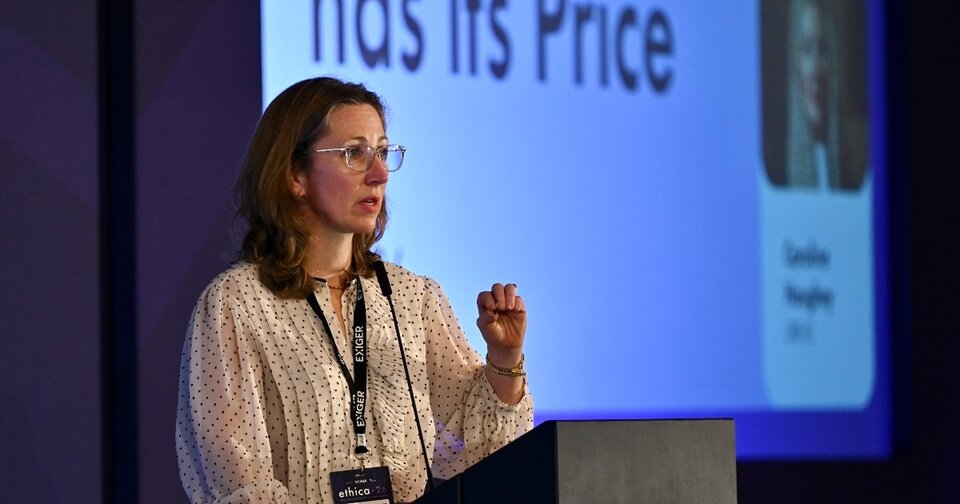
Above: Caroline Haughey OBE KC
She told the audience: “We need to move away from inertia. We need to move away from inaction… Because that is not just what the law is doing, that is what society and consumers are demanding of you. The landscape has changed. It is not good enough any more to say ‘But I didn’t do anything wrong’. What you are now tasked, required, legally obliged to say: ‘This is what I did right. These are the positive steps that I took to ensure that I did not have modern slavery, human trafficking, labour exploitation, abuse of humans, within my supply chain.’
“We have a moral and a legal responsibility to ensure that not only do we say what is right, we do what is right.”
Greg Ritt, Head of Sustainability at Stagecoach, which joined Slave-Free Alliance last summer, said what he valued about ethica26 was hearing examples of “always doing better… not just saying ‘this is good, let’s stick with it’, let’s always do better”.
“Human rights is usually just one session at a longer event. So, I was really pleased when I saw that Slave-Free Alliance was putting together an event focusing purely on human rights and specifically human rights within supply chains. I thought this was a really good opportunity to learn more, to exchange ideas and practical advice, and see what others are doing.”
Beata Baumann, Head of Global Procurement Sustainability for Atos
Reflecting on ethcia26 on LinkedIn, Beata said later: “I’m sure this will be the event of the year for me.”
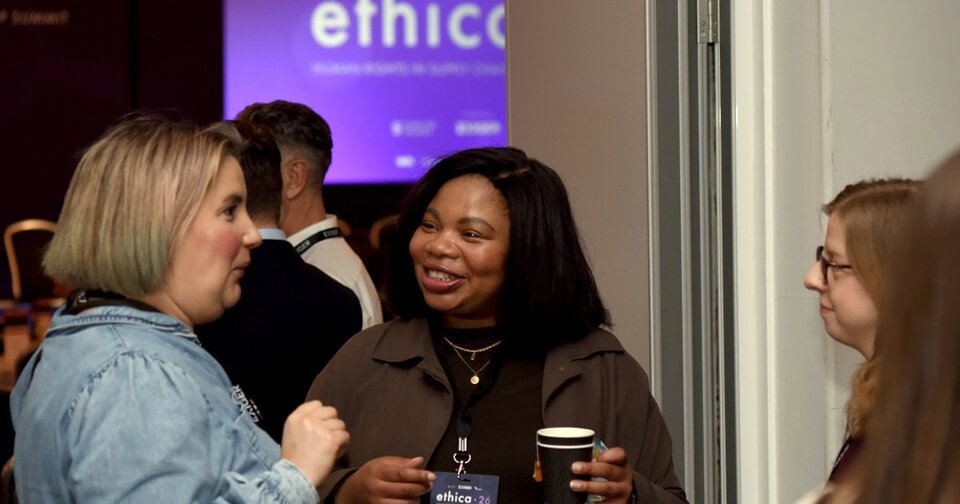
Above: Attendees networking during a break at ethica26
We are now planning to bring this event back for 2027. If you would like updates, you can register your interest for the 2027 edition using this link.
You can view a gallery of all the photos from ethica26, and download them, via this WeTransfer link. You are free to use or share these photos, with credit to: Slave-Free Alliance / Kevin Poolman Photography.
The full agenda for ethica26 is recorded below. You can also browse or download the slide deck from the event.
Co-Chairs’ Welcome
Speakers:
Moderator:
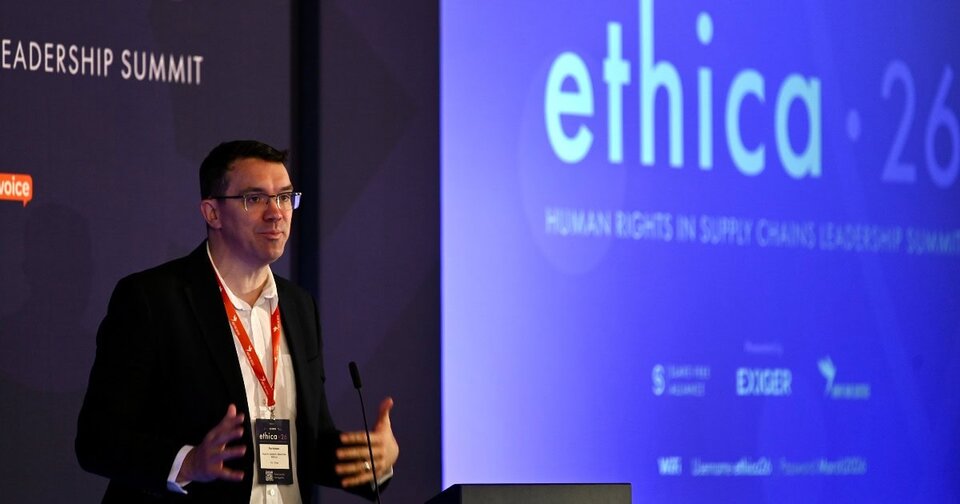
Above: Tim Nelson, CEO, Hope for Justice and Slave-Free Alliance
Keynote Speech: Inaction Has Its Price
In this powerful keynote address, Caroline Haughey OBE KC, one of the UK’s leading experts on modern slavery and human trafficking, explored the potential cost to business when human rights risks in supply chains are ignored or underestimated.
Speaker:
Policy Briefing: What’s Coming in International Legislation – UK, EU and Beyond
Expert legal update on the UK Modern Slavery Act, EU CSDDD, EU forced labour import ban and beyond, and what boards must prepare for.
Speaker:
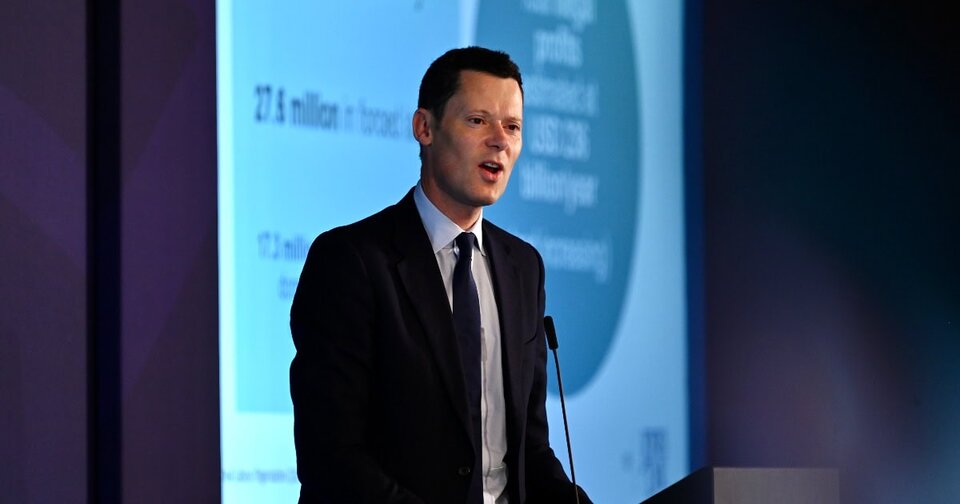
Above: Rt. Hon. Alex Chalk KC, Partner at Jones Day, formerly Lord Chancellor and Secretary of State for Justice
Panel Discussion: Human Rights as a Material Investment Risk
Human rights and forced‑labour risks are now core issues for investors, with direct implications for long‑term value, governance, and access to capital. Designed for action, this session examined how investor scrutiny, regulation, and enforcement are converging, and what boards and senior leaders need to do in practice.
Moderator:
Panellists:
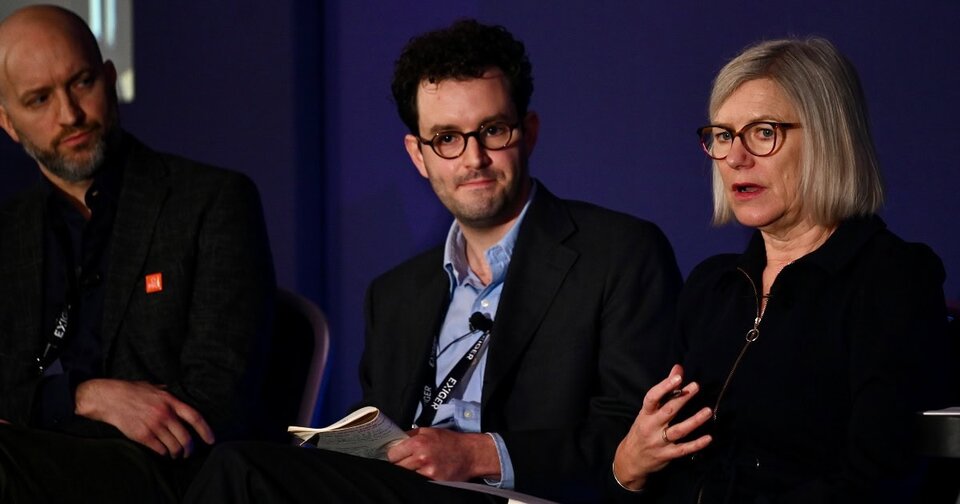
Fireside Chat: Compliance to Commitment
Many organisations now meet human rights compliance requirements, but far fewer have embedded real leadership accountability. This fireside chat explored what it takes to move beyond policies to genuine commitment, and how boards, executives, and procurement leaders make that shift in practice.
Moderator:
Panellists:
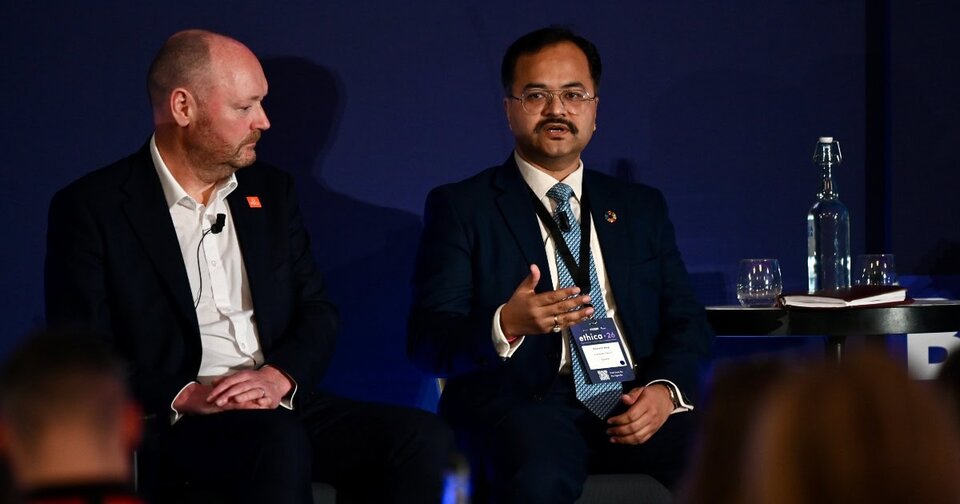
Case Study: How AI Is Transforming Forced Labour Detection Across the Supply Chain
Modern supply chains hide forced‑labour risks that traditional audits and questionnaires no longer detect. This session showed how AI‑powered risk intelligence enables companies to identify and act on forced‑labour risk at scale, in real time. It offered a practical look at how technology is supporting earlier, more targeted intervention across complex supply networks.
Speaker:
Panel Discussion: Independent Perspectives
This session took an independent, evidence‑based look at what effective human rights practice actually looks like on the ground. Drawing on cross‑sector experience, the panel explored where companies are genuinely making progress, where common gaps persist, and what differentiates real implementation from good intentions.
Moderator:
Panellists:
Business Case Study: Tony’s Chocolonely: Lessons From Open Chain
Responsible sourcing often fails at the point of implementation, when principles meet contracts, procurement decisions, and commercial trade‑offs. This case study explored how Open Chain makes responsible sourcing operational, including what changes for procurement teams and governance, and where resistance shows up in practice. Attendees left with practical takeaways for embedding responsible sourcing beyond monitoring and assurance.
Speaker:
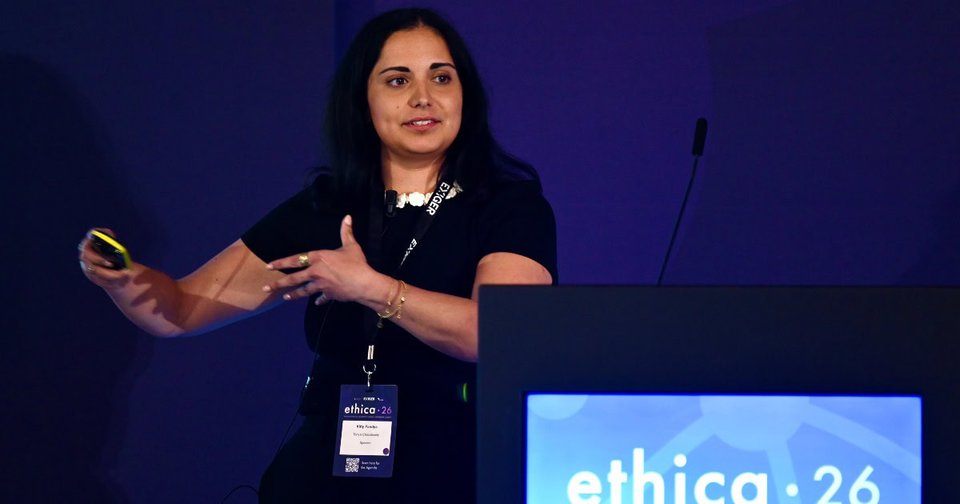
Above: Kitty Pandya, Partnerships Manager, Tony’s Chocolonely
Panel Discussion: When Things Go Wrong: Responding to Human Rights Issues Allegations and Delivering Meaningful Remedy
When serious human rights allegations arise, the quality of a company’s response can determine outcomes for workers, investors, and the business itself. This session examined what a credible response looks like in practice, from escalation and investigation to governance, communication, investor scrutiny, and meaningful worker remedy, and the lessons leaders can apply to strengthen preparedness before issues emerge.
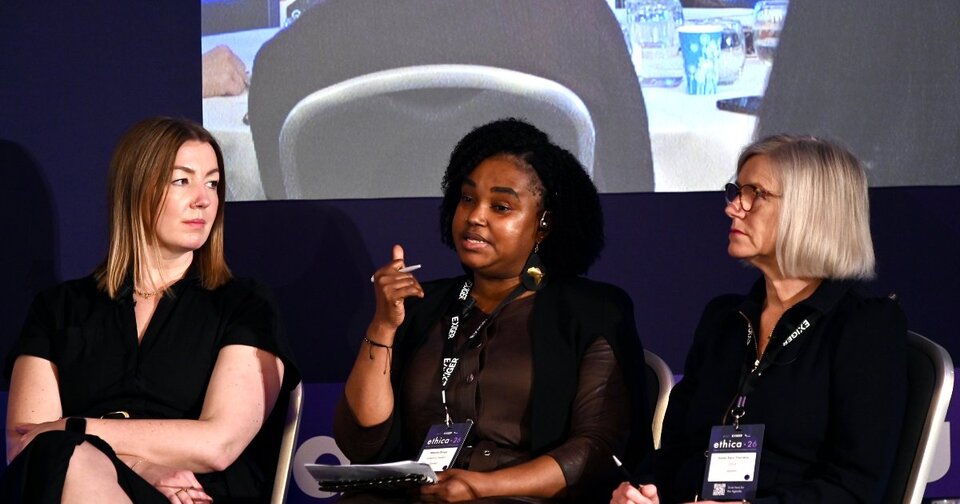
Above: Malaika Oringo, Executive Director, Footprint to Freedom (centre), with Rachel Hartley, Consultancy Director, Slave-Free Alliance (left) and Dame Sara Thornton, Consultant – Modern Slavery, CCLA
Moderator:
Panellists:
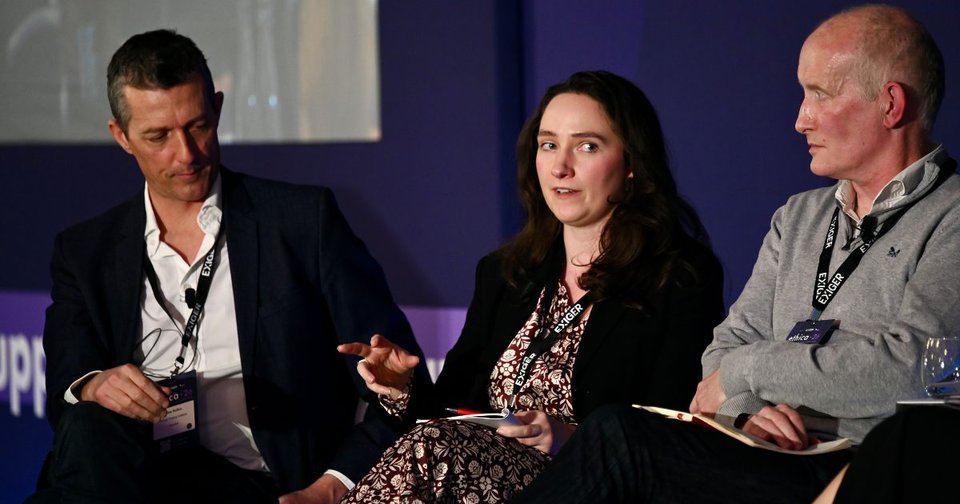
Above: Julia Black from Hilton Food Group, centre, speaking on the remediation-focused afternoon panel
Business Case Study: AstraZeneca
This case study explored how AstraZeneca has undertaken a human rights salient risk assessment and used the findings to shape priorities and action. The session examined how insights informed concrete projects, collaboration with initiatives such as PSCI and BSR, and the integration of internal and external data to strengthen the effectiveness of human rights work in practice.
Speakers:
Business Case Study: Novartis Labor Rights 2.0
This session explored how Novartis is evolving its approach to labour rights across its operations and supply chains. Drawing on practical experience, it examined how labour rights considerations are being translated into day‑to‑day practice within a global organisation, and what this looks like in reality.
Speaker:
State-Imposed Forced Labour
This session examines the risks of state‑imposed forced labour in complex, opaque supply chains and why traditional due‑diligence approaches often fall short. It explores how companies can identify indirect exposure across multi‑tier sourcing, what this means for board‑level decision‑making, and how regulatory, investor, and enforcement expectations are reshaping what credible preparedness looks like in practice.
Speaker:
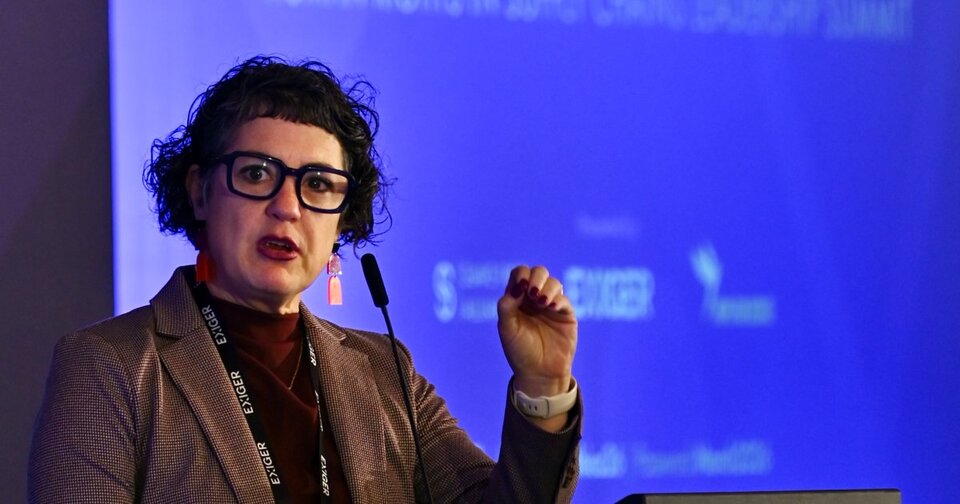
Above: Dr Laura Murphy, Professor of Human Rights and Contemporary Slavery, Sheffield Hallam University
Panel Discussion: Horizon Scanning: The Future of Human Rights in Supply Chains
This forward‑looking panel explores how regulation and enforcement, emerging standards and assurance models, technology, and corporate practice are converging to reshape expectations of human rights in supply chains. Designed for action, the session focuses on where boards and senior leaders should be investing attention and capability now to remain credible, resilient, and prepared for what comes next.
Moderator:
Panellists:
Kanishk Negi, Director of Sustainable Procurement, Schneider Electric
Tahseen Anam, Internal and Supplier Assurance Solutions Director, BSI
Links:
You can view a gallery of all the photos from ethica26, and download them, via this WeTransfer link.
You are free to use or share these photos, with credit to: Slave-Free Alliance / Kevin Poolman Photography.
Browse or download the slide deck from ethica26. Thank you to the presenters for giving this permission.